Wedding Invitation Wording: Examples for Every Situation
Start with the right order, then adapt a complete invitation for your hosts, guest list and venue. Includes delicate family situations and digital RSVP wording.
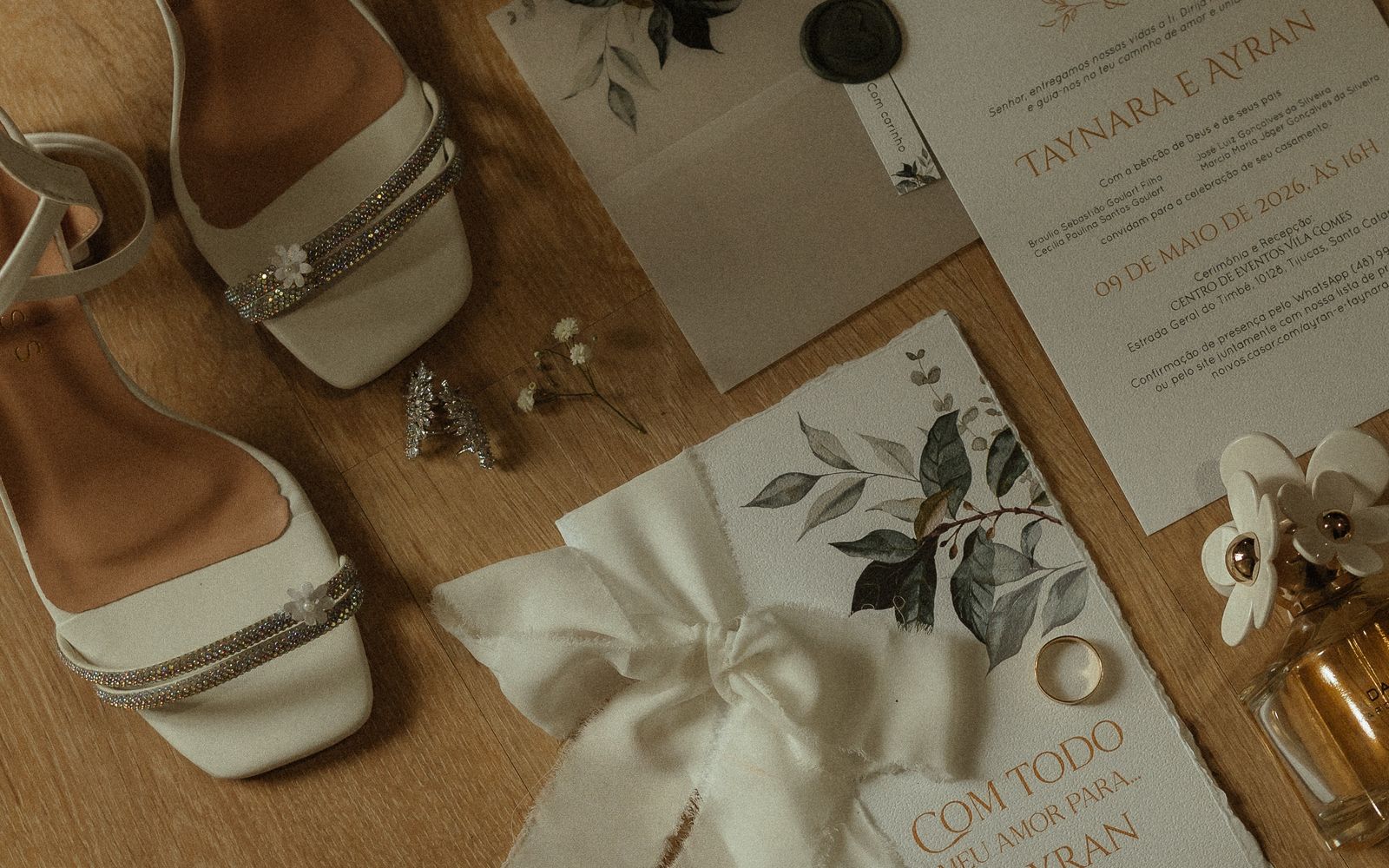
Wedding invitation wording should tell guests who is getting married, who is inviting them, when and where to arrive, what celebration follows, and how to RSVP. Start with those facts, then choose a formal or relaxed voice.
The examples below are complete starting points rather than etiquette rules. Replace every bracketed detail, check the invitation against your actual guest list, and remove anything you have not arranged. All dates, places and names in the samples are illustrative. Your invitation should describe your wedding, not promise a reception or transport plan simply because it appears in a template.
The standard order of wedding invitation information
- Host line: optional acknowledgment of the people extending the invitation.
- Invitation request: ask guests to attend the wedding or celebration.
- Couple’s names: use the names you want guests to recognize.
- Date and time: distinguish guest arrival from the ceremony start.
- Ceremony venue: include its name, address and town.
- Reception details: say whether it follows there or at another location.
- RSVP instructions: give an answer date and a working reply method.
- Additional guidance: dress code and a link to practical details.
You can move the couple’s names above the request line for a modern layout. A host line is not compulsory, and the invitation does not need to explain who paid which bill. Put the details guests need to act on ahead of a poem or a long account of your relationship.
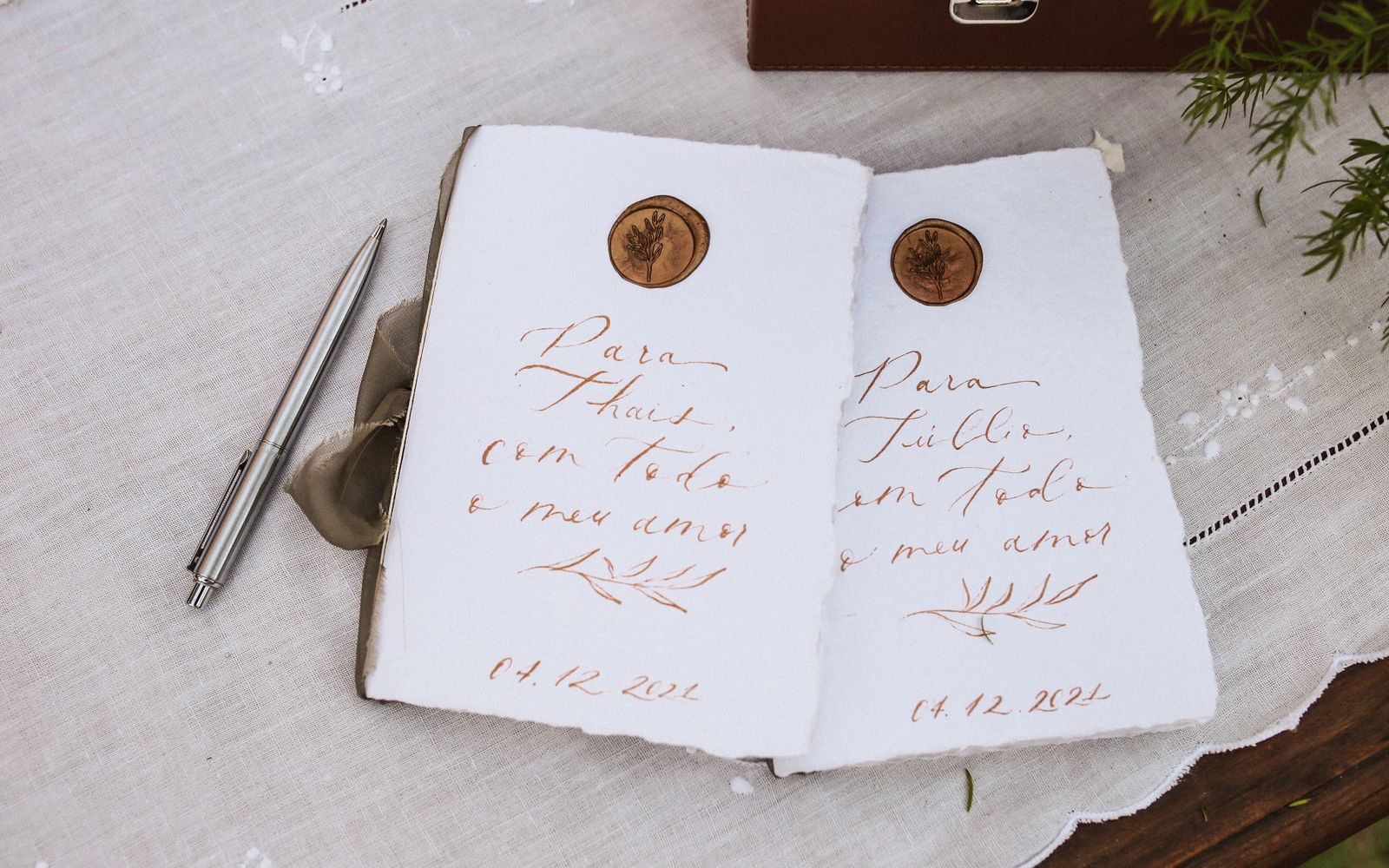
Formal wedding invitation wording
Together with their families,
Emma & James
request the pleasure of your company
at the celebration of their marriage
on Saturday, the twelfth of June, two thousand twenty-seven
at four o’clock in the afternoon
[Venue name], [full address].
Dinner and dancing to follow at the same venue.
Black tie.
Kindly reply by the first of May at [link].
“The pleasure of your company” works for many settings. “The honour of your presence” is traditionally associated with a religious ceremony; choose it when that fits your event rather than because it sounds more expensive. Written-out dates are a style choice. Numerals are equally useful when they make a compact design easier to read.
Casual wedding invitation wording
We’re getting married!
Emma & James
would love you to celebrate with us
on June 12, 2027.
Please arrive at [venue and address] at 3:30 p.m.
Our ceremony starts at 4 p.m., with dinner and dancing afterward.
Dress code: [description].
Let us know whether you can make it by May 1 at [link].
Relaxed wording still needs exact logistics. A playful opening can set the mood, but it should not replace a time or an address. If the reception is a picnic, cocktail party or another format without a full meal, say so clearly enough that guests can plan their day.
When the couple is hosting
Emma & James
invite you to join them as they get married
on Saturday, June 12, 2027, at 4 p.m.
[Ceremony venue and address].
Please join us for a reception afterward at [reception venue and address].
We would love your reply by May 1 via [link].
You do not have to announce that you are hosting or financing the event yourselves. Starting with your names makes the invitation clear. If relatives contributed but do not need to be named individually, “Together with our families” is a warm alternative that does not assign financial credit.
When parents are hosting
[Emma’s parents’ names] and [James’s parents’ names]
invite you to celebrate the marriage of
Emma & James
on Saturday, June 12, 2027, at 4 p.m.
[Venue and full address].
Dinner and dancing will follow.
Please reply by May 1 at [link].
If only one set of parents is issuing the invitation, name that set rather than suggesting that everyone is jointly hosting. Agree on the wording privately before ordering cards or sending links. Parent names can be written individually; there is no need to use a title or family-name convention that anyone finds uncomfortable.
Divorced parents or a blended family
Together with their families,
Emma & James
invite you to their wedding
on Saturday, June 12, 2027, at 4 p.m.
[Venue and address].
A reception will follow at [location].
Please let us know by May 1 at [link] whether you can join us.
This version avoids an awkward list without leaving anyone out by implication. If you prefer to name parents, put each household on a separate line and use the names they currently use. Do not join former partners as though they were still a couple. Discuss partners, stepparents and the order of names with the people concerned before sharing the finished wording.
Adults-only wedding invitation wording
Emma & James
invite [invited guests’ names] to celebrate their wedding
on June 12, 2027, at 4 p.m.
[Venue and address].
Please join us for an adults-only ceremony and reception.
We hope this advance notice helps you make arrangements.
Kindly reply by May 1 at [link].
Name the invited adults rather than addressing an entire family and then expecting them to infer a restriction. If children are welcome at the ceremony but not dinner, describe that distinction instead. Explain any exceptions privately and consistently. Avoid saying “no exceptions” if you already know you are making some.
Destination wedding invitation wording
Join Emma & James for their wedding in [destination].
Our ceremony is on June 12, 2027, at 4 p.m.
at [venue and full address].
Dinner and dancing follow at [location].
Travel and accommodation information: [link].
Please reply by [date]. We understand if the journey means you cannot join us.
Do not imply that airfare, hotels or transfers are included unless you are actually providing them. Give guests useful booking information separately, including any real reservation deadlines. Optional welcome drinks or next-day gatherings should have their own details and reply questions rather than being treated as automatic commitments.

Second wedding invitation wording
A new chapter, shared with our favourite people.
Emma & James
invite you to celebrate their marriage
on June 12, 2027, at 4 p.m.
[Venue and address].
Dinner and dancing to follow.
Please respond by May 1 at [link].
You do not need to mention previous marriages. Choose a tone that reflects the celebration you are planning now. If your children are participating and want to be included, a line such as “Together with our children” can be lovely. It should be a genuine family choice rather than an etiquette requirement.
Digital invitation with an RSVP link
Emma & James are getting married!
Celebrate with us on June 12, 2027.
Arrive at [venue and address] at 3:30 p.m. for our 4 p.m. ceremony.
Dinner and dancing follow.
Open [invitation link] using your personal PIN.
Please reply by May 1 for each part of the day and add any allergies.
Wedding Inviter gives each invitation a personal PIN. Guests respond separately for the ceremony, dinner and party and can provide allergies; the couple sees an updated live guest list. Keep the link and code together in the message you send privately. Test the invitation on a phone before sharing it and offer personal help to anyone who needs it.
Ceremony and reception at different places
Emma & James
invite you to their wedding ceremony
on June 12, 2027, at 2 p.m.
[Ceremony venue and full address].
Reception from 4 p.m. at [reception venue and full address].
[Transport arrangements or directions link].
Please reply by May 1 at [link].
“Reception to follow” is not enough when guests need to travel. Provide both addresses and realistic timing. State whether transport is supplied, available to reserve, or the guest’s responsibility. If some guests are invited only to the reception, send a separate version that begins with its arrival time and does not invite them to the ceremony.
Common wording mistakes to avoid
- Ambiguous start times: label an arrival time rather than pretending it is the ceremony time.
- Missing reply instructions: “RSVP” alone does not tell guests where or when to respond.
- Unclear guest scope: make named guests, partners and children explicit.
- Incomplete addresses: include the town and a useful directions link for similarly named venues.
- Overpromising: do not mention meals, parking or transport before arrangements are confirmed.
- One deadline for everything: set guest replies ahead of supplier deadlines so you have time to follow up.
Ask someone outside the planning process to read your final version. Can they explain when to arrive, where to go, who is invited and how to reply without asking you a question? If not, clarify the practical information before adjusting fonts or adding another romantic line.
Related wording and invitation guides
- RSVP wording examples
- Wedding website wording
- Save-the-date wording
- Wedding Inviter digital wedding invitations
Frequently asked questions
What is the standard order for wedding invitation wording?
Use an optional host line, the invitation request, the couple’s names, date and time, ceremony venue and address, reception details, RSVP instructions and any dress code. A modern design can put the couple’s names first.
How do we word an invitation with divorced parents?
Use “Together with their families” or list each parent household on a separate line. Use current names and agree on the wording privately; do not present former partners as a current couple.
How do we say our wedding is adults-only?
Name the invited adults and add a clear line such as “Please join us for an adults-only ceremony and reception.” If the restriction applies only to one part of the day, say so.
What should a digital invitation RSVP line say?
Give a reply deadline, an invitation link and the personal PIN. Ask guests to respond for each part of the day and provide allergies. Set the date before your suppliers need final numbers.
More from the Blog
 GuidesFree Digital Wedding Invitations: Your Options and Their Limits7 min read
 PlanningOnline Wedding RSVP: The Complete Guide to Digital Response Tracking8 min read
 Comparisons6 Best Paperless Post Alternatives for Wedding Invitations (2026)12 min read
 GuidesHow to Send Wedding Invitations Online: Step-by-Step Guide7 min read
 ComparisonsBest Online Wedding Invitation Sites in 2026: Honest Comparison10 min read
 PlanningWedding Invitations with RSVP Tracking: Why It Changes Everything6 min read
 PlanningWhen to Send Wedding Invitations: The Perfect Timeline for 20266 min read
 GuidesPaperless Wedding Invitations (2026): How to Go Paperless8 min read
 GuidesWedding Invitation Website Buyer’s Checklist: What to Compare9 min read
 PlanningWedding RSVP Website: Collect Replies Without Chasing Guests8 min read
 GuidesElectronic Wedding Invitations: Everything You Need to Know8 min read
 ComparisonsBest WithJoy Alternative for Wedding Invitations in 20269 min read
 GuidesDigital Save the Date: How to Announce Your Wedding Online7 min read
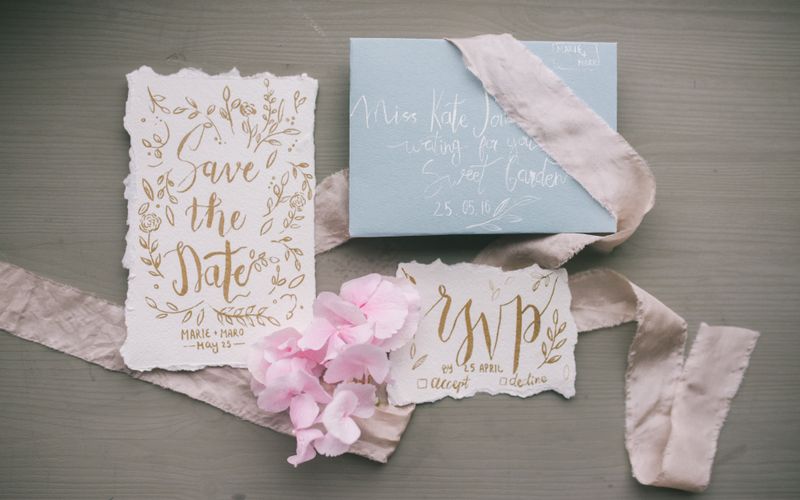 ComparisonsWedding Invitation App vs No-App: Which Gets Better RSVPs?8 min read
 PlanningWedding RSVP Etiquette: How to Get Every Guest to Respond9 min read
 PlanningHow to Manage Your Wedding Guest List: From First Draft to Final Count10 min read
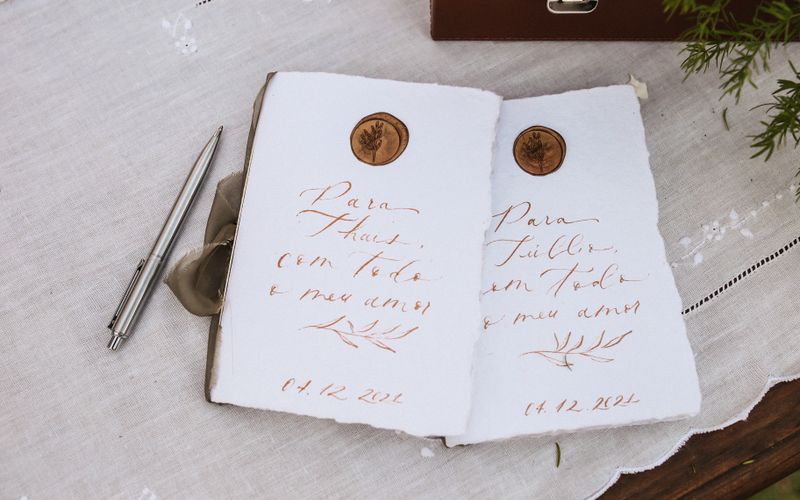 InspirationWedding RSVP Wording Examples for Every Style and Situation12 min read
 InspirationSave the Date Wording: Examples for Every Style of Wedding9 min read
 InspirationWedding Website Wording: Templates for Every Section10 min read
 PlanningThe Ultimate Wedding Planning Checklist for 202614 min read
 PlanningWedding Invitation Checklist: What to Include & How to Send10 min read
 PlanningWedding Day Checklist: Hour-by-Hour Timeline & Vendor Guide11 min read
 GuidesDigital Wedding Invitations: The Complete Guide for 202611 min read
 PlanningPaper vs Digital Wedding Invitations: Which Is Right for You?6 min read
 ComparisonsZola vs Paperless Post: Which Is Better for Wedding Invitations?9 min read
 ComparisonsGreenvelope Alternatives for Wedding Invitations (2026)9 min read
 ComparisonsGreenvelope vs Joy for Wedding Invitations (2026)6 min read
 ComparisonsGreenvelope vs Paperless Post: Pricing & Wedding Invitations (2026)6 min read
 ComparisonsJoy vs Evite for Wedding Invitations (2026)6 min read
 GuidesWedding RSVP per Event: Ceremony, Reception and Evening Guests7 min read
 GuidesHow to RSVP to a Wedding: Online, In Person & What to Say7 min read
 GuidesWedding RSVP Deadline: When to Set It, and If Guests Miss It8 min read
 ComparisonsJoy vs Zola vs Paperless Post for Digital Wedding Invitations6 min read
 ComparisonsPaperless Post vs Evite for Wedding Invitations (2026)6 min read
 ComparisonsGreenvelope vs Evite for Wedding Invitations (2026)6 min read
 ComparisonsInviteDrop Alternatives for Wedding Invitations (2026)7 min read
 ComparisonseCardWidget vs Paperless Post: Which One Is for Weddings?5 min read
 GuidesWhat Does RSVP Mean on a Wedding Invitation?6 min read