When to Send Wedding Invitations: The Perfect Timeline for 2026
Timing is everything. Send too early and guests forget; send too late and they've made other plans. Here's the exact timeline for every type of wedding.

Why Timing Matters
Send your wedding invitations too early, and guests may forget to RSVP. Send them too late, and guests may have already made other plans. The sweet spot depends on your wedding type, guest list, and whether you're sending digital or paper invitations.
This guide covers the ideal timeline for every scenario — from local celebrations to destination weddings — so your guests get the right information at the right time.
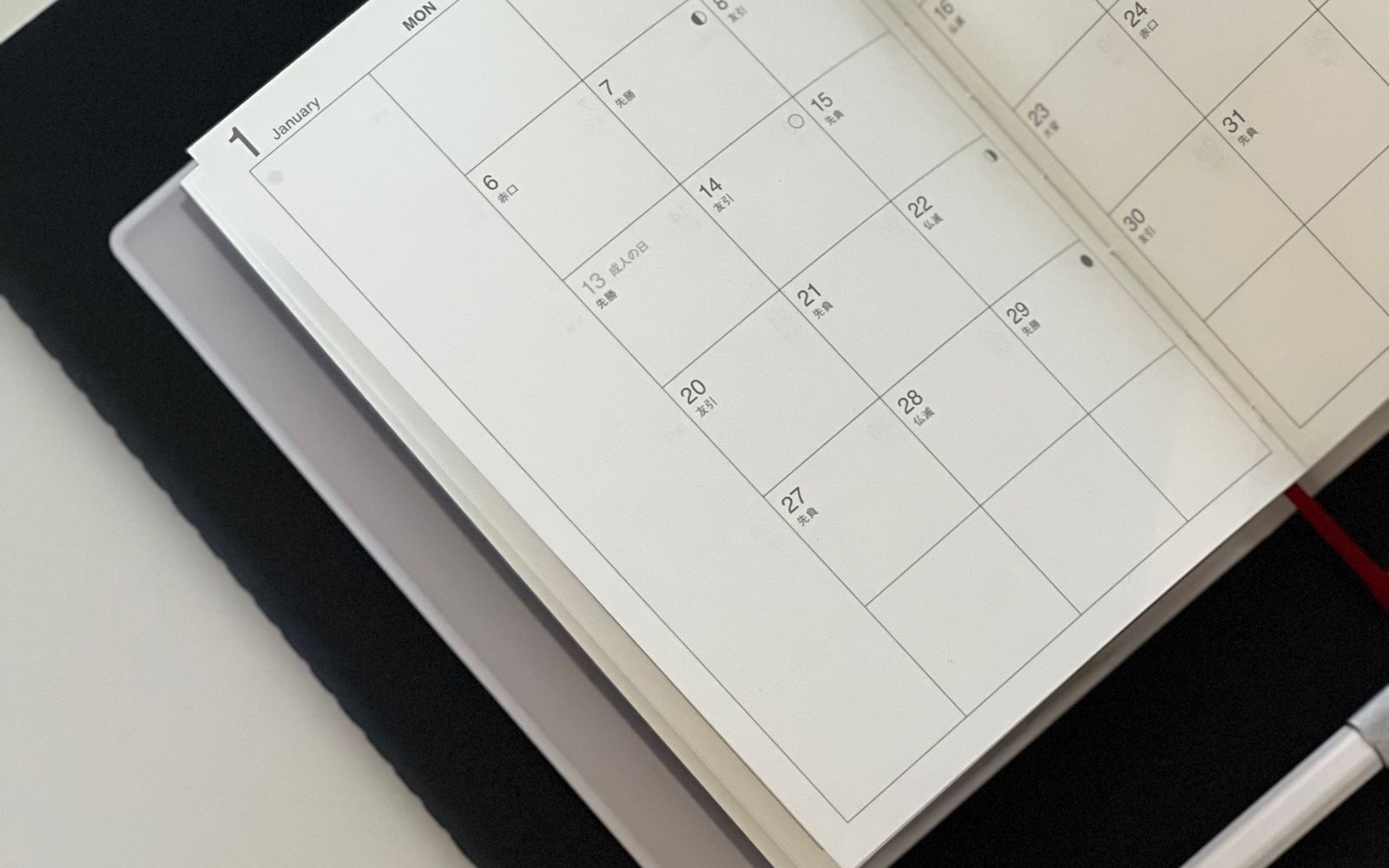
The Standard Wedding Invitation Timeline
12+ Months Before: Decide on Digital vs. Paper
This decision affects every other timeline. Digital invitations can be created and sent in under an hour. Paper invitations require 4–7 weeks for design, printing, and postal delivery. Choose early so you can plan accordingly.
6–8 Months Before: Send Save-the-Dates
Save-the-dates give guests advance notice so they can block your wedding date on their calendar. Include:
- Your names
- The wedding date
- The city or venue (exact address not needed yet)
- "Formal invitation to follow"
For destination weddings, send save-the-dates even earlier — 8–12 months ahead — to give guests time to plan travel.
6–8 Weeks Before: Send Formal Invitations
This is the most important deadline. Six to eight weeks gives guests enough time to check their schedule, make travel arrangements if needed, and respond thoughtfully.
For digital invitations, 6 weeks is usually sufficient since guests receive them instantly. For paper invitations, send at 8 weeks to account for postal delivery time.
3–4 Weeks Before: RSVP Deadline
Set your RSVP deadline 3–4 weeks before the wedding. This gives you enough time to:
- Finalize your guest count
- Submit catering orders
- Create seating arrangements
- Order place cards or name tags
- Follow up with non-responders
2 Weeks Before: Follow Up With Non-Responders
Despite your best efforts, some guests won't respond by the deadline. A gentle follow-up — a text message or quick call — usually gets the last few responses. With digital invitations, you can see exactly who hasn't responded, making follow-ups targeted and efficient.
Timeline by Wedding Type
Local Wedding
- Save-the-date: 6 months before
- Invitation: 6 weeks before
- RSVP deadline: 3 weeks before
Destination Wedding
- Save-the-date: 8–12 months before
- Invitation: 10–12 weeks before (guests need time to book travel)
- RSVP deadline: 6 weeks before
Intimate or Elopement-Style Wedding
- Save-the-date: Optional (3–4 months is fine)
- Invitation: 4–6 weeks before
- RSVP deadline: 2–3 weeks before
Holiday Weekend Wedding
- Save-the-date: 8+ months before (holiday weekends fill up fast)
- Invitation: 8–10 weeks before
- RSVP deadline: 4 weeks before
Digital vs. Paper: How Timing Differs
Digital Invitations
Digital invitations arrive instantly, which means you can send them closer to the wedding if needed. Six weeks before is the standard, but even four weeks works in a pinch because there's no delivery delay and guests can RSVP in seconds.
Paper Invitations
Paper invitations need extra lead time:
- Design and proofing: 1–2 weeks
- Printing: 2–4 weeks
- Addressing and assembly: 1–3 days
- Postal delivery: 3–7 days
- Return mail for RSVPs: additional 3–7 days
This means you need to start the process at least 10–12 weeks before your wedding to hit the 8-week mailing target.
Common Timing Mistakes
- Sending too early. Invitations sent more than 3 months ahead often get set aside and forgotten. The sweet spot is 6–8 weeks.
- Setting the RSVP deadline too close to the wedding. You need at least 3 weeks between the deadline and the wedding for final planning.
- Forgetting about postal delays. If you're sending paper invitations, account for delivery time in both directions.
- Not sending save-the-dates for destination weddings. Guests need months to plan travel and accommodation. A save-the-date is essential, not optional.
- Waiting to follow up. Don't wait until the last day to chase non-responders. Start a week before the RSVP deadline.

Quick Reference Checklist
- ☐ 8–12 months: Send save-the-dates (destination weddings)
- ☐ 6 months: Send save-the-dates (local weddings)
- ☐ 8 weeks: Send paper invitations
- ☐ 6 weeks: Send digital invitations
- ☐ 4 weeks: First RSVP check
- ☐ 3 weeks: RSVP deadline
- ☐ 2 weeks: Follow up with non-responders
- ☐ 1 week: Finalize headcount and share with vendors
The Bottom Line
The best timeline depends on your wedding type and whether you're going digital or paper. Digital invitations give you more flexibility — you can send later, update details after sending, and get responses faster. Paper invitations require more advance planning but offer a tactile experience some couples prefer.
Whatever you choose, the most important thing is to give your guests enough time to respond and yourself enough time to plan with accurate numbers.
Related Resources
- Digital vs paper invitations — full comparison
- RSVP tracking — get responses faster with digital
- Browse invitation templates — ready to send in minutes
- How to send wedding invitations online — step by step
Frequently asked questions
When should I send wedding invitations?
Send formal invitations 8–12 weeks before the wedding for local events, 12–16 weeks for destination weddings. Save-the-dates should go out 6–8 months in advance.
When should the RSVP deadline be?
Set the RSVP deadline 3–4 weeks before the wedding. This gives you enough time to finalize catering numbers, seating arrangements, and other vendor details.
Is it too late to send invitations 6 weeks before the wedding?
For digital invitations, 6 weeks is fine since delivery is instant. For paper invitations, it's tight — guests need time to receive, process, and respond by mail.
More from the Blog
 GuidesFree Digital Wedding Invitations: Your Options and Their Limits7 min read
 PlanningOnline Wedding RSVP: The Complete Guide to Digital Response Tracking8 min read
 Comparisons6 Best Paperless Post Alternatives for Wedding Invitations (2026)12 min read
 GuidesHow to Send Wedding Invitations Online: Step-by-Step Guide7 min read
 ComparisonsBest Online Wedding Invitation Sites in 2026: Honest Comparison10 min read
 PlanningWedding Invitations with RSVP Tracking: Why It Changes Everything6 min read
 GuidesPaperless Wedding Invitations (2026): How to Go Paperless8 min read
 GuidesWedding Invitation Website Buyer’s Checklist: What to Compare9 min read
 PlanningWedding RSVP Website: Collect Replies Without Chasing Guests8 min read
 GuidesElectronic Wedding Invitations: Everything You Need to Know8 min read
 ComparisonsBest WithJoy Alternative for Wedding Invitations in 20269 min read
 GuidesDigital Save the Date: How to Announce Your Wedding Online7 min read
 ComparisonsWedding Invitation App vs No-App: Which Gets Better RSVPs?8 min read
 PlanningWedding RSVP Etiquette: How to Get Every Guest to Respond9 min read
 PlanningHow to Manage Your Wedding Guest List: From First Draft to Final Count10 min read
 InspirationWedding RSVP Wording Examples for Every Style and Situation12 min read
 InspirationSave the Date Wording: Examples for Every Style of Wedding9 min read
 InspirationWedding Website Wording: Templates for Every Section10 min read
 PlanningThe Ultimate Wedding Planning Checklist for 202614 min read
 PlanningWedding Invitation Checklist: What to Include & How to Send10 min read
 PlanningWedding Day Checklist: Hour-by-Hour Timeline & Vendor Guide11 min read
 GuidesDigital Wedding Invitations: The Complete Guide for 202611 min read
 InspirationWedding Invitation Wording: Examples for Every Situation10 min read
 PlanningPaper vs Digital Wedding Invitations: Which Is Right for You?6 min read
 ComparisonsZola vs Paperless Post: Which Is Better for Wedding Invitations?9 min read
 ComparisonsGreenvelope Alternatives for Wedding Invitations (2026)9 min read
 ComparisonsGreenvelope vs Joy for Wedding Invitations (2026)6 min read
 ComparisonsGreenvelope vs Paperless Post: Pricing & Wedding Invitations (2026)6 min read
 ComparisonsJoy vs Evite for Wedding Invitations (2026)6 min read
 GuidesWedding RSVP per Event: Ceremony, Reception and Evening Guests7 min read
 GuidesHow to RSVP to a Wedding: Online, In Person & What to Say7 min read
 GuidesWedding RSVP Deadline: When to Set It, and If Guests Miss It8 min read
 ComparisonsJoy vs Zola vs Paperless Post for Digital Wedding Invitations6 min read
 ComparisonsPaperless Post vs Evite for Wedding Invitations (2026)6 min read
 ComparisonsGreenvelope vs Evite for Wedding Invitations (2026)6 min read
 ComparisonsInviteDrop Alternatives for Wedding Invitations (2026)7 min read
 ComparisonseCardWidget vs Paperless Post: Which One Is for Weddings?5 min read
 GuidesWhat Does RSVP Mean on a Wedding Invitation?6 min read